
A Dance of Fire and Ice
7th Beat GamesMusic
4.71.54K Reviews
- Version
- 3.3.1
- Installs
- 1.00M
- Age Rating
- Everyone
Screenshots
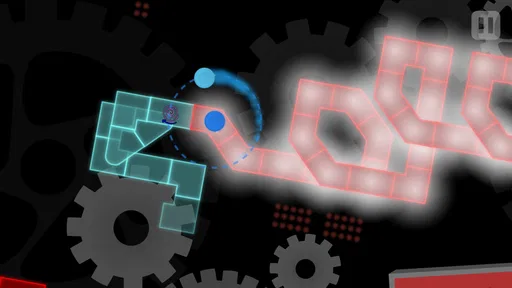
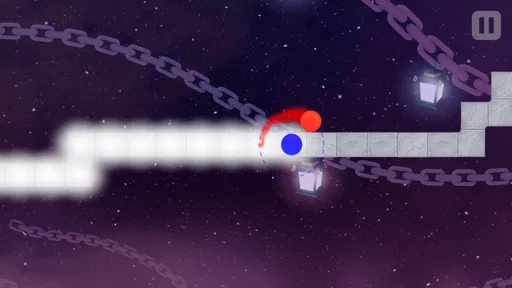
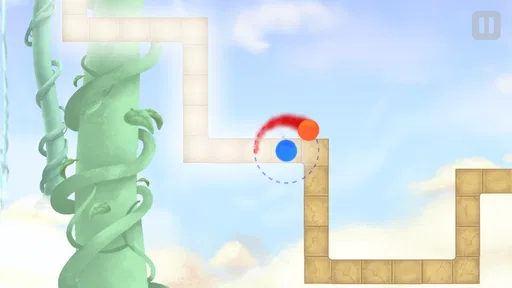
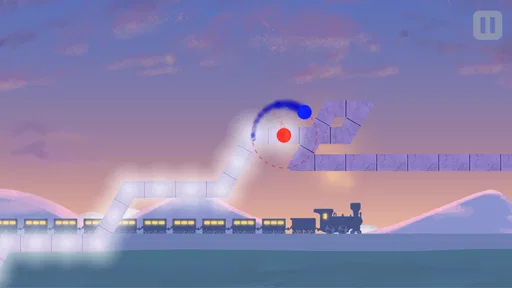
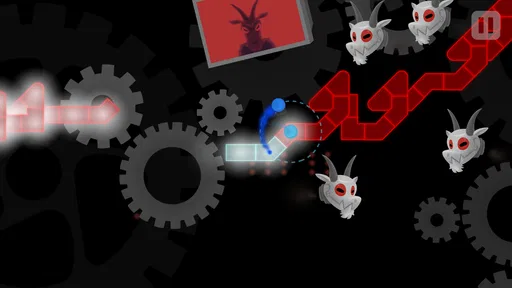
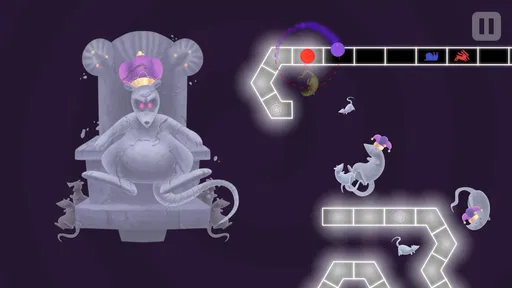
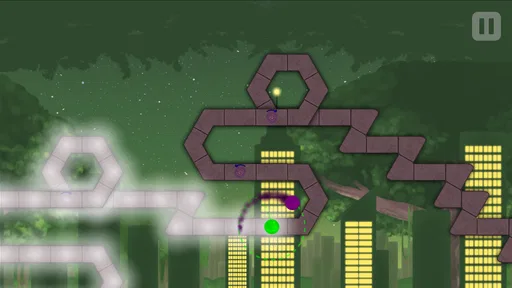
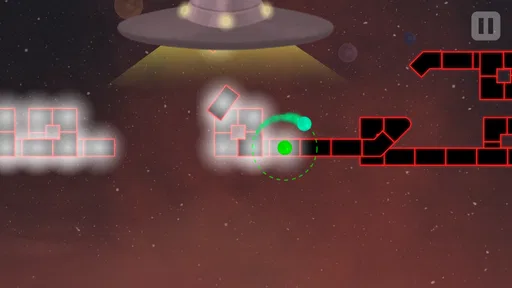
Our Review of A Dance of Fire and Ice
 Analysis by Appyee
If you’re on the hunt for a game that will test both your rhythm and patience, then you might want to check out A Dance of Fire and Ice. This game is not just a test of your musicality, but also a delightful exercise in focus and timing. As soon as I downloaded it and started playing, I was hooked. Here’s my take on what makes this game a must-try for rhythm game enthusiasts.
What to expect from this rhythm challenge
At its heart, this is a music game about turning a beat into a physical response. You are not matching colored notes or building a combo with a stream of taps; you are following the relationship between two orbiting planets as they travel around a winding route. That gives each stage a different feel from the familiar lane-based rhythm games many people try first. The idea is easy to grasp, but the game asks you to listen closely and keep your timing steady rather than rely on quick reactions alone.
I’d recommend it most to players who enjoy learning a pattern through repetition. If you like the moment when a tricky rhythm finally clicks, the focused design can be deeply satisfying. If you mainly want a relaxed music app that lets you tap casually while doing something else, this is probably not the right fit: a small timing error can break a run, and the demanding sections need your attention.
The contrast between the simple presentation and the precision required is part of the appeal. With little visual clutter competing for your attention, the sound and the path become the main cues. That can make the game feel clean and readable, but it also means you cannot expect elaborate visuals to carry you through a difficult passage. The challenge is in noticing the rhythm and responding consistently.
Gameplay Mechanics That Keep You on Your Toes
The premise of A Dance of Fire and Ice is deceptively simple. You guide two orbiting spheres along a path by tapping to the beat of the music. It sounds straightforward, but trust me, it’s anything but. With each new level, the complexity ramps up, and that’s where the fun—and the challenge—truly begins.
What I love about this game is how it integrates music with level design. Each track is uniquely crafted to fit the rhythm of the song, and the paths you navigate change in shape and speed, requiring precision and a good ear for music. Missing a beat means starting over, which can be frustrating but also incredibly rewarding when you finally nail it.
First setup and a sensible way to begin
Because the action depends on timing, I would start somewhere quiet enough to hear the beat clearly. If you are playing for the first time, do not treat the opening attempt as a test of whether you are naturally good at rhythm games. Give yourself a moment to understand how the two planets move and how your tap relates to their travel. Watching a short stretch before focusing on a full run can help you notice the pulse instead of reacting to every visual change.
The game is listed as a paid download at $1.99, with optional in-app purchases priced at $1.99 per item. It is developed by 7th Beat Games, is rated Everyone, and its current version is 2.9.9. The game first arrived on Oct 4, 2014, and supports Android 5.1 or later. Those details make it easier to judge whether it fits your device and budget before you start; the core decision is whether you enjoy a focused, retry-driven music challenge.
Finding your first successful run
My practical advice is to aim for one clean section at a time rather than thinking about finishing an entire stage immediately. Listen for the regular beat, then notice where the route changes the feel of the movement. When you miss, try to identify whether you tapped too early, too late, or lost track of the pattern. That small diagnosis is more useful than simply tapping faster on the next attempt.
A realistic time to play is a short break between tasks, with enough quiet to concentrate and enough time for a few retries. The game suits that kind of focused pause better than a noisy commute or a conversation-filled room. It is also a useful choice when you want an activity that asks for attention without requiring a long story or a complicated set of controls. Just remember that a quick session can turn into repeated attempts if a section catches you out.
Visuals and Sound: A Perfect Harmony
The visual design of the game is minimalist yet striking. The paths are colorful and vibrant, creating a visually pleasing experience that complements the rhythmic gameplay. It’s almost hypnotic, watching the spheres dance along to the beat. The simplicity of the graphics ensures that nothing distracts you from the task at hand.
Now, let’s talk about the music. Oh, the music! Every level features a different track, ranging from fast-paced techno beats to soothing melodies. The soundtrack is not just a background element; it is the core of the game. It sets the mood and guides your taps. The developers have done a stellar job curating tracks that are both enjoyable and challenging to play along to.
Common confusion: the beat is more than a visual cue
One thing a first-time player can misread is the difference between following the beat and chasing the planets with last-second taps. The movement on screen helps you understand the route, but your timing still needs to come from the rhythm. If you watch only the path, a change in its shape can feel surprising; if you listen as well, that same change becomes easier to anticipate. I found it helpful to let the sound lead and use the animation as confirmation.
Another source of frustration is assuming that a missed tap means the whole idea is beyond you. This game is designed around precision, so a restart is part of learning rather than proof that you lack musical ability. Take a breath before retrying. Repeating a section with a calmer count can be more productive than immediately launching into another attempt while annoyed.
Learning Curve and Replayability
When it comes to difficulty, A Dance of Fire and Ice doesn’t hold back. The learning curve is steep, and it requires patience and practice. But this is not a downside. In fact, it’s what makes the game so engaging. Each level feels like a mini-accomplishment, and replaying them to perfect your performance becomes oddly addictive.
There’s a certain satisfaction in finally completing a level after multiple tries. It’s the kind of game that rewards persistence and sharpens your sense of rhythm. Plus, the replayability factor is high. Even after finishing all the levels, I found myself going back to improve my scores and refine my skills.
Who will enjoy it, and when another music game may suit you better
The game has reached over a million installs and holds an average rating of 4.6 from around 33,000 ratings, with roughly 1,500 written reviews. That broad response is understandable: its particular appeal is easy to explain, even though its precise timing will not suit everyone. I would point a friend toward it if they enjoy repetition, short bursts of concentration, and music that doubles as a puzzle.
Compared with rhythm games built around scrolling notes, instrument imitation, or a broad song-selection experience, this one is more abstract and tightly focused. That is a strength if you want to learn a distinctive pattern and feel your timing improve. It is a limitation if you want to play along to familiar songs, collect a large library of tracks, or keep moving through a forgiving sequence without restarting. In those cases, a more conventional rhythm title may be a better match.
A useful trade-off is that the uncluttered presentation keeps attention on the rhythm, but offers fewer distractions when you are stuck. Instead of relying on flashy effects to make progress feel exciting, you get the satisfaction of a more accurate attempt. I would also avoid treating it as background entertainment: playing while talking or splitting attention can make a precision-based stage feel unnecessarily harsh.
Next step: build confidence without rushing
If you are unsure whether you will stick with it, give the early stages a fair try and judge the game by whether repeated attempts feel instructive rather than merely irritating. A good sign is noticing a pattern more clearly on the next run. If you keep making the same mistake and no longer enjoy the process, taking a break is sensible; persistence is rewarding here, but there is no need to force a long session.
For a new player, a simple routine works well: begin when you can hear the track, focus on a manageable stretch, and pause briefly after a frustrating miss. Do not try to fix every mistake by changing your tapping speed. First ask whether you lost the beat or misunderstood how the route was guiding the movement. That distinction helps turn retries into practice rather than guesswork.
Final Thoughts: A Must-Try for Rhythm Fans
In conclusion, A Dance of Fire and Ice is a gem in the realm of rhythm games. Its blend of challenging gameplay, captivating visuals, and a killer soundtrack make it a standout experience. If you’re someone who enjoys testing their reflexes and timing, you’ll find this game both entertaining and rewarding.
Whether you’re a seasoned rhythm game veteran or a newcomer eager to test your skills, I highly recommend giving this game a try. Just prepare yourself for a bit of frustration and a whole lot of fun. Ready to tap to the beat? You can download A Dance of Fire and Ice from the app store and start your rhythmic journey today!
Verdict
Strengths of A Dance of Fire and Ice
- Intuitive one-touch controls enhance playability.
- Hypnotic music syncs perfectly with gameplay.
- Minimalist design keeps focus on rhythm.
- Progressively challenging levels engage players.
- Regular updates with new tracks and features.
Limitations of A Dance of Fire and Ice
- Steep learning curve may deter beginners.
- Limited accessibility options for some users.
- Repetitive gameplay might not suit everyone.
- Requires precise timing, can be frustrating.
- No multiplayer mode limits social interaction.
Similar Picks in This Category
View All
Tiles Hop Music & Ball Game
AMANOTES PTE. LTD.4.3

Magic Tiles 3™ - Piano Game
AMANOTES PTE. LTD.4.6

Real Piano
Bilkon3.7

Piano Game: Classic Music Song
Dream Tiles Piano Game Studio4.0

Smash Colors: Music Ball Rush
BADSNOWBALL HONGKONG LIMITED4.2

Piano Music Go-EDM Piano Games
Joy Journey Music Games4.5
Frequently Asked Questions
What is the main objective of A Dance of Fire and Ice?
A Dance of Fire and Ice is a rhythm-based game where players must guide two orbiting spheres along a winding path. The main objective is to tap in time with the beat to keep the spheres on track. It's a test of timing and rhythm, challenging players to synchronize their actions with the music.
Is A Dance of Fire and Ice suitable for all ages?
Yes, A Dance of Fire and Ice is suitable for players of all ages. Its simple one-touch control and engaging music make it accessible to both younger audiences and adults. However, the increasing difficulty might require some patience and practice, especially for younger players.
Does the game require an internet connection to play?
A Dance of Fire and Ice does not require an internet connection for playing. It can be enjoyed offline, making it perfect for commutes or situations where connectivity is limited. However, for updates or accessing certain features, a connection might be necessary.
What are the in-app purchase options available?
A Dance of Fire and Ice offers a premium experience with no ads and a one-time purchase unlocks the full game. There are no additional in-app purchases necessary, providing players with a complete game experience without the need for further transactions.
How challenging is A Dance of Fire and Ice for new players?
The game starts with simpler levels to help new players get accustomed to the rhythm mechanics. As players progress, the difficulty increases with more complex tracks and beats. While it can be challenging, the game is designed to gradually build skills, making it rewarding for those who enjoy rhythm challenges.
Play our best games!


